top of page
ESSAYS
Search


What is Ananda? Vedanta's Teaching on True Happiness
Ananda in Vedanta is not just bliss—it’s the limitless nature of the Self. Learn the difference between fleeting happiness and the wholeness of Self-knowledge.


Moksha in Vedanta: The End of Seeking, The Discovery of Self
Moksha is not becoming free—it’s realizing you were never bound. Learn how Vedanta defines liberation as the end of ignorance, not a mystical event.


Putting Vedanta into practice
Vedanta is sometimes dismissed as too intellectual, yet it’s the intellect—properly trained and guided by right knowledge—that becomes the seeker’s greatest ally against suffering. This essay explores how inquiry, discrimination, and Self-knowledge transform the mind from a victim of circumstance into a clear instrument of freedom.
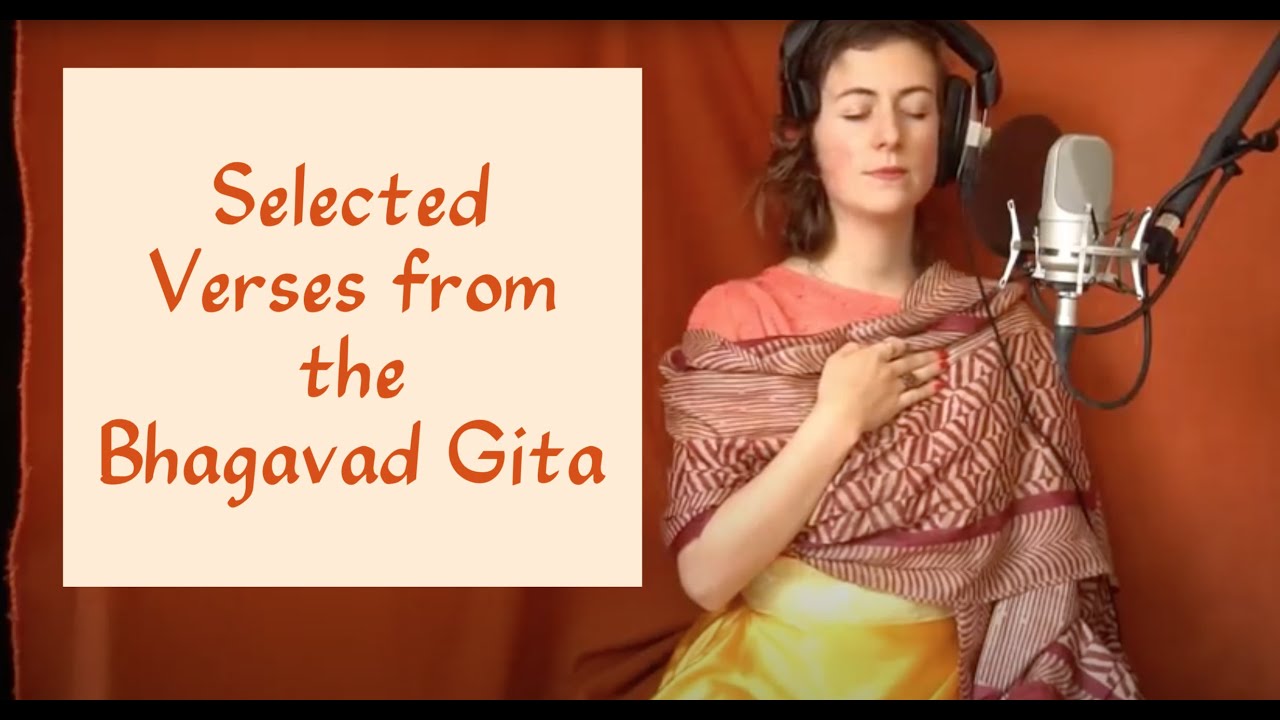
Vedanta and Sanskrit
Sometimes people have the wrong impression that in order to learn Vedanta well, you need to learn Sanskrit. In fact, you only need to...


What Is Maya? Understanding Vedanta’s Most Misunderstood Concept
Maya is the power that makes the unreal appear real. Learn how Vedanta explains illusion, creation, and ignorance through this subtle and paradoxical concept.


What is Ishvara? God, Creation and the Self in Vedanta
In Vedanta, Ishvara is not a deity to be worshipped, but consciousness wielding maya. Learn how Brahman, Ishvara, and the jiva are ultimately one.
bottom of page